


What is simultaneous interpreting and when do you need it? The definitive guide to understanding how it works
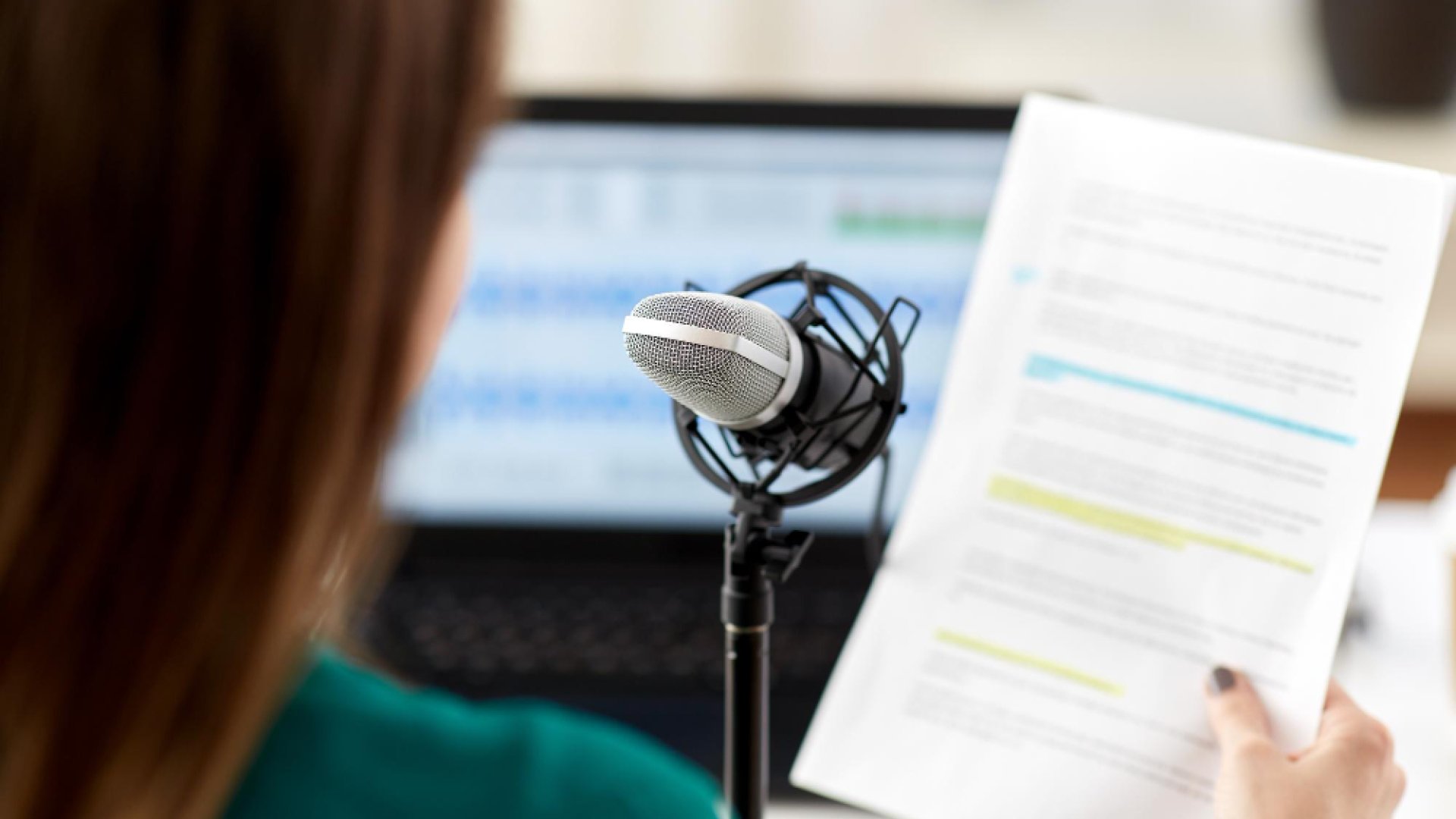
If you’ve ever attended an international summit, a European Union conference or a major business event with participants from different countries, you’ve most likely heard of simultaneous interpreting. However, many people still wonder exactly what it is, how it works and in which situations it is essential.
In this article, we address the most frequently asked questions about simultaneous interpreting, explain how it works and why it can make the difference between effective communication and a meeting rife with misunderstandings.
What is simultaneous interpreting?
Simultaneous interpreting is a form of interpreting in which the interpreter listens to the speech in one language and conveys it almost simultaneously in another language, with a delay of just a few seconds.
Unlike consecutive interpreting, where the speaker pauses to allow the interpreter to translate what they have said, in simultaneous interpreting the speech continues without interruption, making communication much smoother and more natural.
This format requires a high level of concentration, quick thinking, linguistic proficiency and knowledge of the subject matter.
How does simultaneous interpreting work?
Although it may seem straightforward from the audience’s perspective, there is a great deal of technical and human coordination behind the scenes.
The following are usually involved:
- One or two professional interpreters per language.
- A soundproof booth (at in-person events).
- Consoles and specialist audio equipment.
- Receivers or headphones for attendees.
Whilst the speaker is talking, the interpreter listens to the message through headphones, processes the information and reproduces it in the target language almost in real time.
It all happens in a matter of seconds.
Why are there two interpreters?
The answer is simple: because simultaneous interpreting is one of the most demanding intellectual activities there is.
Various studies on cognitive load show that maintaining this level of concentration for long periods is extremely demanding. Therefore, interpreters usually take turns approximately every 20 or 30 minutes to maintain quality throughout the day.
It is not a break; it is a professional necessity.
At what sort of events is simultaneous interpreting used?
Simultaneous interpreting is used in far more places than we realise.
Some examples are:
- International conferences.
- Business conferences.
- Trade fairs and exhibitions.
- Corporate meetings.
- Product presentations.
- International training courses.
- Institutional events.
- Political summits.
- Medical and scientific conferences.
- International webinars.
Whenever people who speak different languages need to communicate without slowing down the event, this approach is usually the most efficient option.
Simultaneous interpreting or translation?
It is very common to confuse these two concepts.
Translation deals with written texts.
Simultaneous interpreting involves working with spoken messages in real time.
Whilst a translator can proofread a document before handing it over, an interpreter has to make linguistic decisions in a matter of seconds.
Therefore, although both professions require an excellent command of languages, the skills required are very different.
What are the advantages of simultaneous interpreting?
More and more companies and organisations are opting for it because it offers significant benefits.
Seamless communication: the speaker does not need to pause their presentation.
Time-saving: events can take place in practically the same amount of time as if everyone spoke the same language.
A better experience for attendees: each participant can listen to the presentation in their own language without missing a beat.
Greater international reach: it enables companies and organisations to reach clients, partners and investors anywhere in the world.
Professional image: using a professional interpreting service instils confidence and demonstrates a genuine commitment to international communication.
Is online interpreting also available?
Yes. Thanks to technological advances, we are now able to carry out remote simultaneous interpreting . In this case, interpreters work via specialised platforms and participants can join from any country.
This has opened up new possibilities for:
- Hybrid events.
- International meetings.
- Online training courses.
- Product launches.
- Webinars.
- Virtual conferences.
As well as reducing travel costs, it offers great flexibility for companies working with international teams.
Which languages can be interpreted?
Virtually any language combination is possible provided there are specialist interpreters available. The most common language pairs include: Spanish–English, Spanish–French, Spanish–German, Spanish–Italian and Spanish–Portuguese.
It is also common to work with several languages simultaneously during a single international event.
What makes a good simultaneous interpreter?
It is not enough simply to speak several languages. A professional interpreter needs:
- Excellent analytical skills.
- A highly developed short-term memory.
- Great mental agility.
- Proficiency in specialist terminology.
- Pre-event preparation.
- Excellent diction.
- The ability to handle high-pressure situations.
Behind every flawless interpreting session lie many hours of preparation.
Frequently asked questions from our clients about simultaneous interpreting
Are interpreting booths necessary?
No, at Olyusei we offer remote simultaneous interpreting services that are ideal for both in-person and online events. Booths are only required when simultaneous interpreters are needed at the event venue itself.
Is it suitable for small meetings?
Yes. Today, there are technical solutions suitable for both small meetings and conferences with thousands of attendees.
Is simultaneous interpreting suitable for online events?
Yes. In fact, it is one of the fastest-growing forms of interpreting in recent years, thanks to remote interpreting platforms.
Simultaneous interpreting: much more than just speaking languages
Simultaneous interpreting is not just about conveying words in another language. Its true value lies in conveying the meaning, tone, intention and nuances of the message so that everyone can participate on an equal footing, regardless of the language they speak.
In an increasingly connected world, multilingual communication is no longer a luxury, but a necessity for businesses, institutions and organisations wishing to expand their reach and offer high-quality international experiences.
At Olyusei, we help ensure that conferences, meetings, corporate events, training sessions and international gatherings run smoothly without any language barriers, by providing both in-person and remote simultaneous interpreting services, with professional interpreters and the technical support required to guarantee seamless communication.
Do you need a simultaneous interpreting service?
If you’re organising an international event and want to ensure that all attendees understand the message as clearly as possible, having a specialist team on hand will make all the difference.
At Olyusei, we’d be delighted to help you find the simultaneous interpreting solution that best suits your event.